 Call Us : 08045814351




 Send Inquiry
Industrial Bucket Elevator
Price 150000 INR/ Unit
MOQ : 1 , , Unit
Industrial Bucket Elevator Specification
- Bucket Volume
- 2-25 L per bucket
- Rolling Speed
- 0.8-2.0 m/s
- Elevating Speed
- 0.5-1.5 m/s
- Structure
- Vertical Bucket Elevator
- Belt Type
- Rubber/Plastic Belt or Chain
- Frame Material
- Mild Steel / Stainless Steel
- Dimension (L*W*H)
- Customized as per requirement
- Belt Size
- Customized as per design
- Material
- MS/SS
- Load Capacity
- 2-5 Ton/h
- Lifting Height
- 15-40 m
- Cycle Time
- Continuous
- Size
- Customized
- Weight
- 1000-2000 kg
- Power
- 2-15 kW
- Voltage
- 220V/380V/415V, 3 Phase
- Working Temperature
- -20C to 60C
- Application
- Cement, Food, Chemical, Grain, Fertilizer Industries
- Drive type
- Motor Driven, Geared Motor
- Installation
- Indoor/Outdoor
- Maintenance
- Easy maintenance and replacement of parts
- Surface Finish
- Powder Coated / Painted / Galvanized
- Number of Buckets
- As per design/specification
- Safety Features
- Back Stopper, Overload Protection
- Discharge Type
- Centrifugal/Continuous
- Bucket Material
- Plastic, Mild Steel, Stainless Steel
- Noise Level
- Low
Industrial Bucket Elevator Trade Information
- Minimum Order Quantity
- 1 , , Unit
- Payment Terms
- Cash on Delivery (COD), Days after Acceptance (DA), Letter of Credit (L/C), Cash Against Delivery (CAD), Cash in Advance (CID), Cheque
- Delivery Time
- 2 Week
- Sample Policy
- Contact us for information regarding our sample policy
- Packaging Details
- as per customer requirement
- Main Export Market(s)
- Eastern Europe, Western Europe, Middle East, Asia
- Main Domestic Market
- All India
- Certifications
- MSME
About Industrial Bucket Elevator
We bring forth Industrial Industrial Bucket Elevator which offers smooth elevation of free flowing materials and provides different capacities to fulfill diverse requirements.
Bucket Elevator used for vertical conveying of bulk material of various kinds and can be of belt type or chain type. Different types of bucket profiles are available for specific applications.
Versatile and Robust Design
Our bucket elevators offer robust vertical transport solutions tailored to various industrial applications. With customizable bucket and frame materials, sizes, and finishes, you are assured of optimal compatibility with your facility's requirements. Designed for both indoor and outdoor installation, these elevators seamlessly integrate into new or existing production lines, supporting harsh working temperatures and rigorous operational demands.
Enhanced Safety and Reliability
Safety is paramount in our design. Our elevators are equipped with overload protection and back stoppers to prevent reverse movement and equipment damage. The easy-maintenance feature allows for quick replacement of parts, reducing downtime and ensuring continual operation, making them a dependable choice for facilities that prioritize reliability and worker safety.
Efficiency for Continuous Operation
Built for continuous operation with cycle times optimized for industrial needs, our elevators utilize durable belts or chains and high-capacity buckets (2-25 liters each). Their low-noise operation and powder-coated, painted, or galvanized finishes ensure lasting performance and seamless integration, maximising productivity in demanding environments.
FAQ's of Industrial Bucket Elevator:
Q: How does the industrial bucket elevator achieve continuous and efficient material transport?
A: This elevator uses a motor-driven or geared motor system and durable rubber, plastic, or chain belts to move buckets vertically. With low-noise operation and continuous cycle times, it is engineered for steady, high-speed lifting of bulk materials, ensuring efficient throughput for industrial applications.Q: What materials can the buckets and frame be made of, and how does this benefit different industries?
A: Buckets are available in plastic, mild steel, or stainless steel, while the frame can be constructed from mild or stainless steel. This flexibility enhances compatibility with a range of materials-from food to chemicals-providing industry-specific solutions and ensuring long-lasting, corrosion-resistant equipment.Q: Where can these bucket elevators be installed, and are they suitable for outdoor use?
A: These elevators are designed for both indoor and outdoor installation thanks to their rugged surface finishes-powder coated, painted, or galvanized-which protect against environmental wear and support reliable operation in diverse settings.Q: What safety and maintenance features are integrated into the design?
A: Each elevator includes safety components such as back stoppers and overload protection to prevent accidents and equipment failure. They offer straightforward maintenance, allowing for quick part replacement, minimizing downtime, and reducing ongoing operational costs.Q: When is it best to use a centrifugal discharge versus a continuous discharge type?
A: Centrifugal discharge is ideal for handling free-flowing, lighter materials at higher speeds, commonly in grain or fertilizer processing. Continuous discharge is preferred for fragile or sluggish materials-like food or specialty chemicals-to reduce product damage during gentle unloading.Q: What is the typical process for customizing a bucket elevator to meet specific facility requirements?
A: Clients provide details such as load capacity, lifting height, material type, and dimensions. The design team then tailors the elevator's size, bucket volume, belt type, and power configuration to align with the precise operational needs of the facility.Q: What are the primary benefits of using this motor-driven bucket elevator model in an industrial facility?
A: This model ensures high-capacity, low-noise, and energy-efficient material transport, with robust safety mechanisms and simple maintenance. Its customizable nature and extreme durability make it an asset for reliable, long-term service across multiple industries.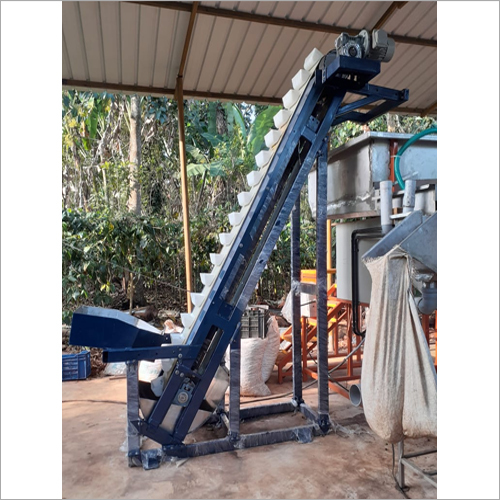
Tell us about your requirement

Price:
Quantity
Select Unit
- 50
- 100
- 200
- 250
- 500
- 1000+
Additional detail
Mobile number
Email

More Products in Bucket Elevator Category
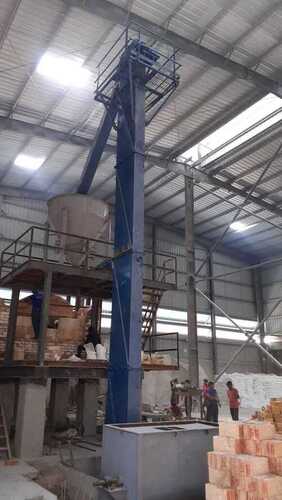
Centrifugal Bucket Elevator
Price 200000 INR / Unit
Minimum Order Quantity : 1 , , Unit
Structure : Other, Vertical
Belt Type : Other , Rubber or PVC
Material : Other, Mild Steel / Stainless Steel
Elevating Speed : Adjustable
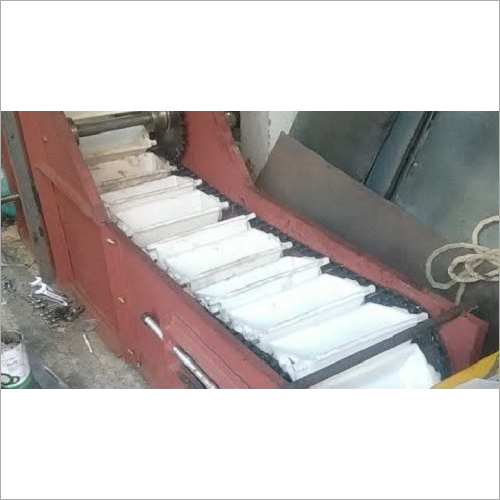
Continuous Bucket Elevator
Price 450000 INR / Unit
Minimum Order Quantity : 1 , , Unit
Structure : Other, Vertical/Inclined
Belt Type : Other , Rubber/PU Belt
Material : Other, Mild Steel/Stainless Steel
Elevating Speed : 0.25 to 0.5 m/s

Address
GST : 24ABEFS3555K1ZZ
- B No. 6, Tulsi Tower, Lambhvel Road, Anand - 388001, Gujarat, India
- Phone :08045814351
- Send Inquiry
 Send Inquiry
 Send Inquiry
 Send SMS
 |
STERLING ENGINEERING CO.
All Rights Reserved.(Terms of Use) Developed and Managed by Infocom Network Private Limited. |
